
Welcome to Rangeview Farm.
From pristine pastures to your table - spray free, grown with love and care
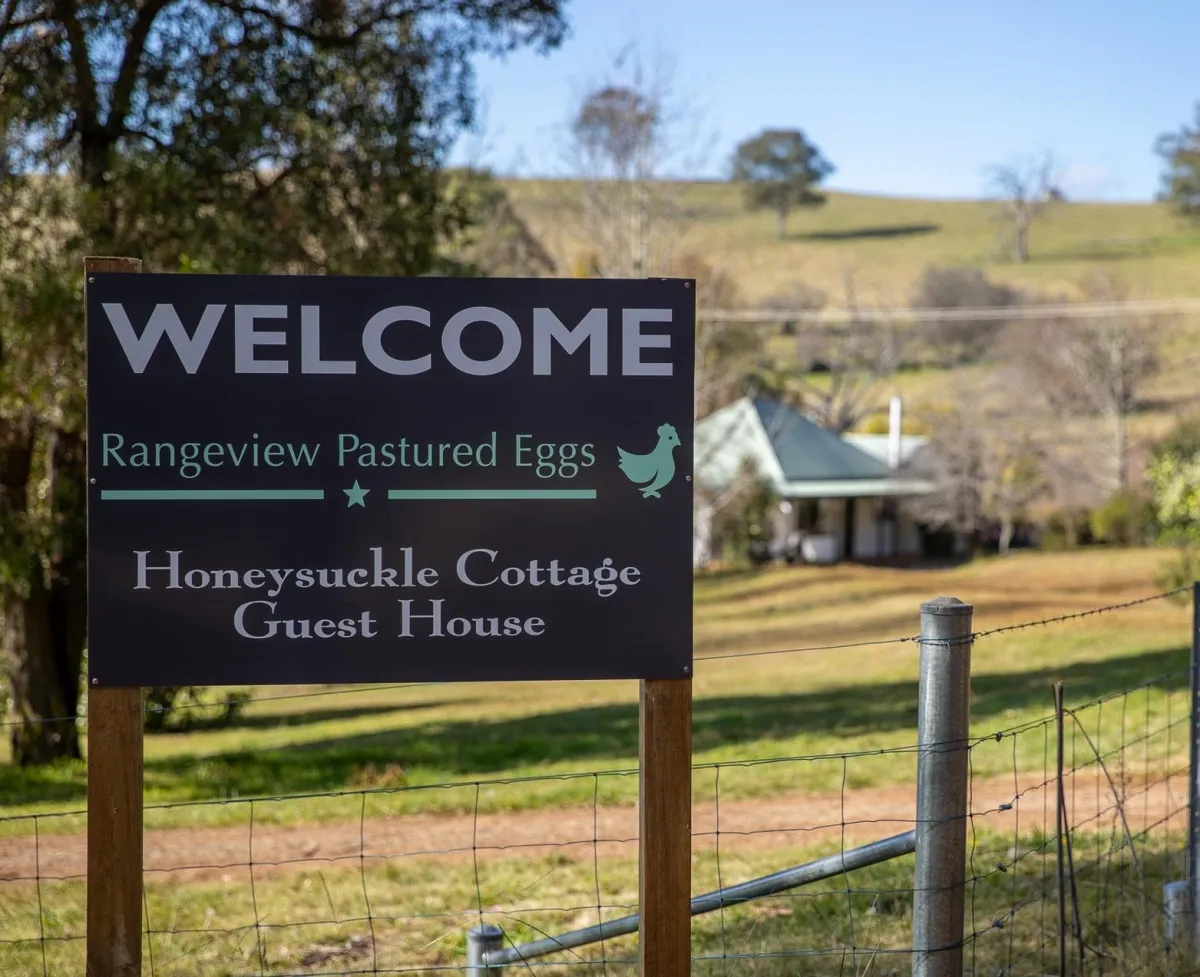
Welcome to Yarrowitch Valley's Hidden Gem
Nestled in the heart of the Yarrowitch Valley, on the eastern fall of the Great Dividing Range, our family farm thrives in a unique highland climate. At 1,150 meters above sea level, our land enjoys high rainfall and a crisp, alpine atmosphere that shapes the character of everything we produce.
The alpine conditions bring an abundance of fresh, pure air and lush greenery year-round. This natural environment is at the core of our sustainable farming practices, nourishing the soil and allowing us to cultivate vibrant, wholesome produce. Here, you’ll experience the distinct flavour and quality that only a high-altitude farm can offer.
We’re honoured to share the bounty of our land with you and welcome you to join us in celebrating the beauty and richness of "Rangeview".
NATURAL, WHOLESOME, FRESH, CLEAN - FROM OUR FAMILY, TO YOURS & ALWAYS CHEMICAL FREE

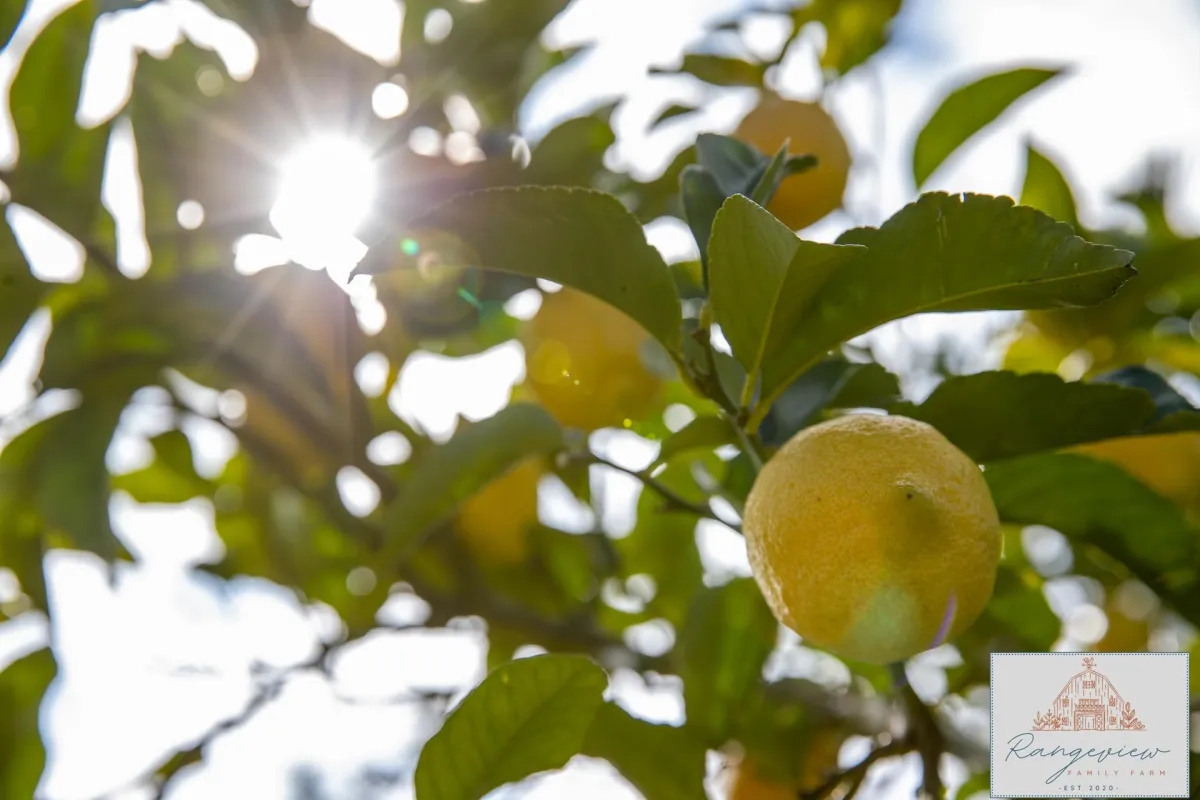
Lemons
Our lemons are truly special – grown naturally in high-altitude, spray-free orchards, they burst with juicy, sweet-tart flavor you won’t find anywhere else. Their vibrant color and zest reflect our pure, clean environment, making them perfect for both cooking and fresh enjoyment.
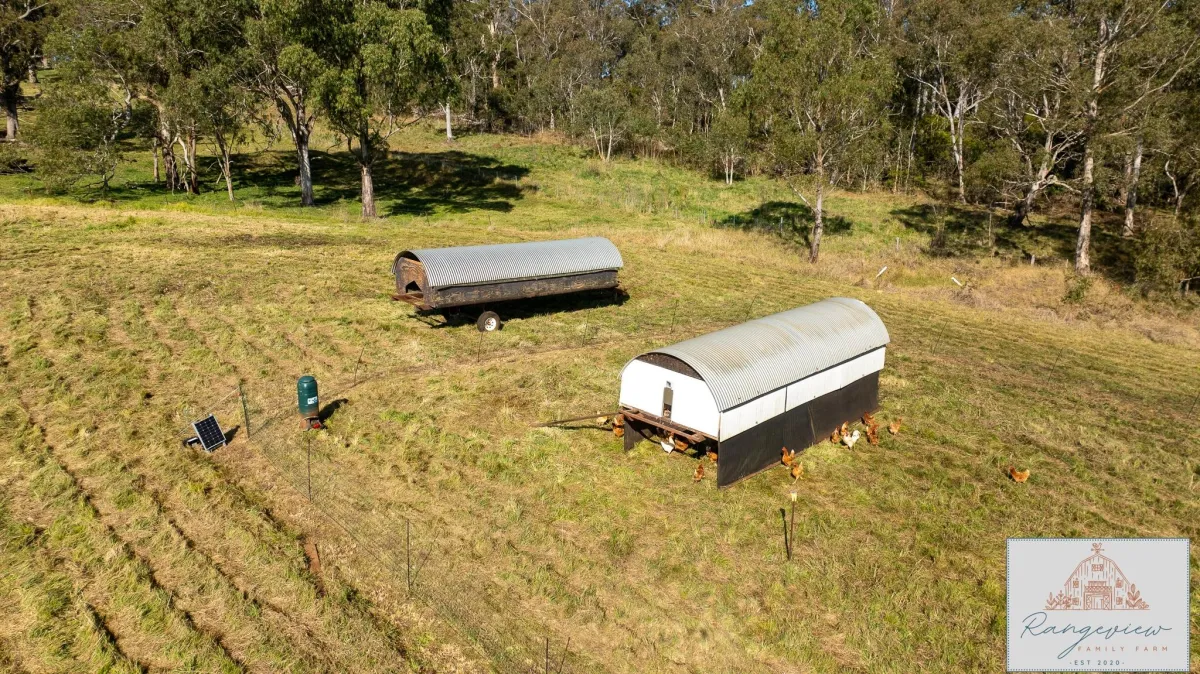
Pastured Eggs
Our pastured eggs are the real deal – laid by happy hens who roam freely in our pristine pastures. The rich, golden yolks and firm whites boast incredible flavour, a freshness you can taste, and a quality that elevates every meal, from breakfast to baking.
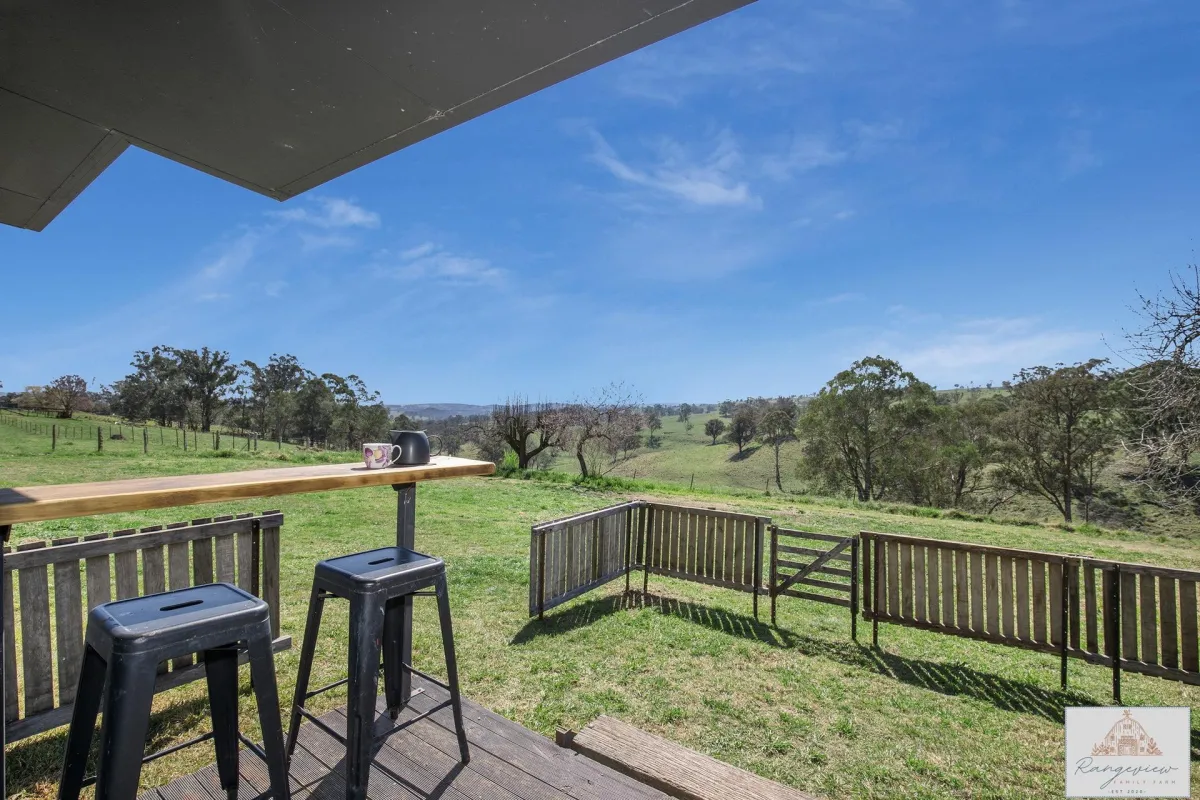
Guest Accommodation
Our accommodation offerings provide a perfect blend of cozy charm and modern comfort. Nestled in peaceful surroundings, each space invites you to unwind fully, with plush bedding, warm touches, and all the creature comforts you need for a restful sleep and relaxing stay.
what our happy customers are saying about us

"Just had some of your wonderful eggs.
Definitely have to get more when you deliver again.
They are amazing! Thank you"
- CAROL K. URALLA, NSW.
where it all began
Our story began with a deep-rooted passion for quality, natural food and a belief that food truly is medicine.
With a love for the outdoors and a commitment to animal welfare, we wanted to raise our children in nature, surrounded by honest, sustainable practices.
Creating top-quality food for other families became our mission, giving us immense satisfaction and purpose.
Being part of a small farming community is a privilege, allowing us to connect deeply and proudly stand behind the consistent quality of our produce - a true reflection of our integrity and commitment to authenticity.

EXPLORE
on social
oLD FASHIONED
a multigenerational family farm
RANGEVIEWFARM.COM || ALL RIGHTS RESERVED || TERMS & CONDITIONS || SITE BY FUNNEL GORGEOUS